
In early September, the personnel and power landscape surrounding the Federal Reserve continued to evolve rapidly.
On September 3, reports indicated that the White House clearly stated it would finalize the next Federal Reserve Chair candidate as soon as possible. Treasury Secretary Scott Bessenet has initiated the interview process for 11 candidates, with a series of interviews set to begin this Friday and continue for a week.
Meanwhile, personnel and power moves surrounding a "smooth transition" have been increasing. On one hand, Trump previously removed the Director of the Bureau of Labor Statistics (BLS), raising market concerns about the independence of official data. On the other hand, Federal Reserve Governor Adriana Kugler officially submitted her resignation in early August to make room for a new governor.
The newly appointed Federal Reserve Governor, Stephen Miran, former Chair of the White House Council of Economic Advisers (CEA), was nominated by Trump and attended a Senate Banking Committee hearing on September 4. In his written testimony, Miran emphasized "monetary policy independence," and he is expected to focus on "maintaining independence" during the confirmation process, with expectations for a rapid advancement.
With more and more actions taking place, the market has been shrouded in uncertainty about the future, and the question of who will become the next Federal Reserve Chair has become the focal point of market attention.
Who are the 11 candidates for Federal Reserve Chair?
According to Federal Reserve appointment rules, the Federal Reserve Chair must be a current governor. Current Chair Powell's term will end in May 2026, while his governorship will last until January 2028. If he chooses to continue serving as a governor after stepping down, Trump's candidate pool for appointing a new chair will be limited. The currently identified list of 11 core candidates includes elites from various sectors, including "establishment figures, former officials, and Wall Street practitioners."
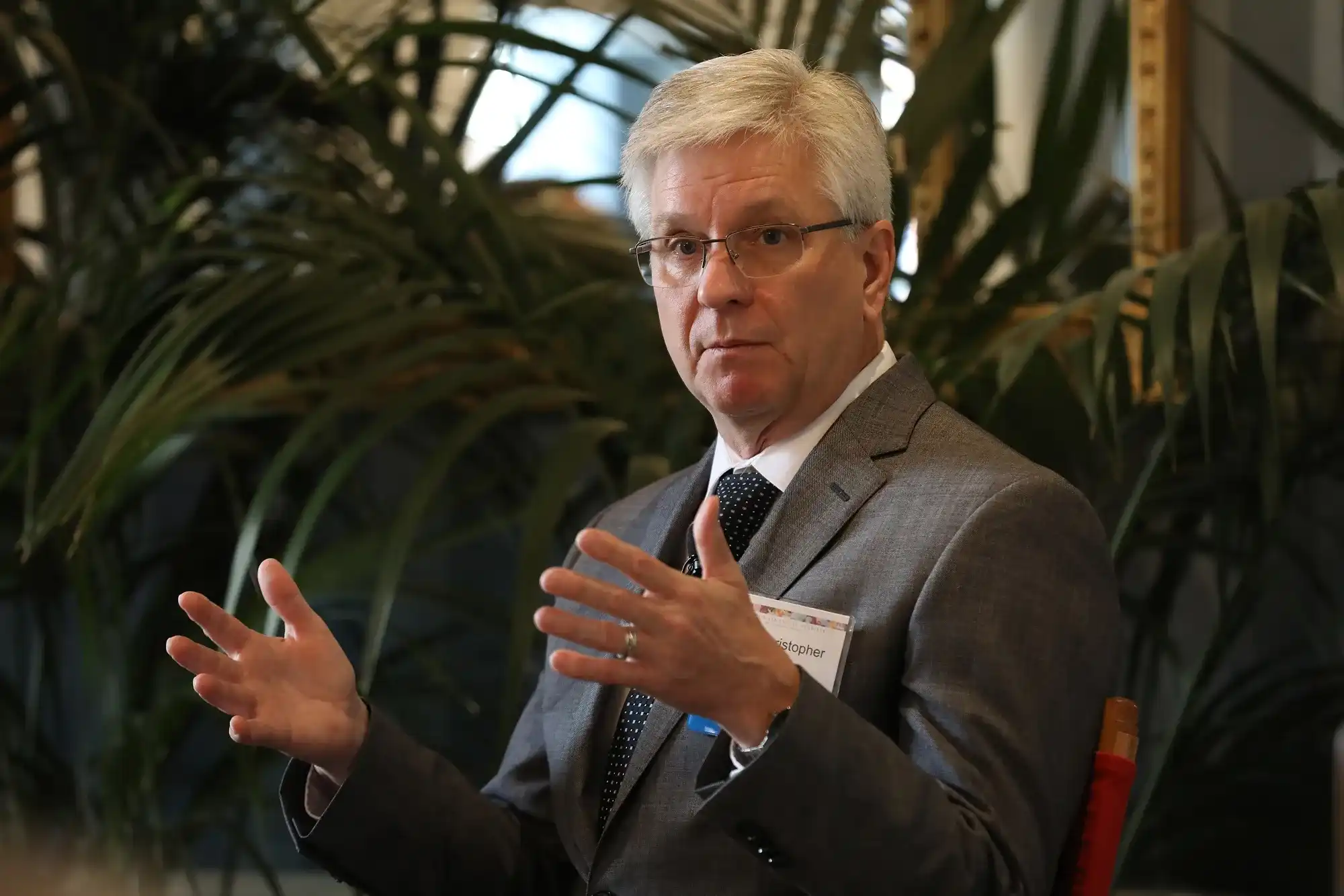
Christopher Waller
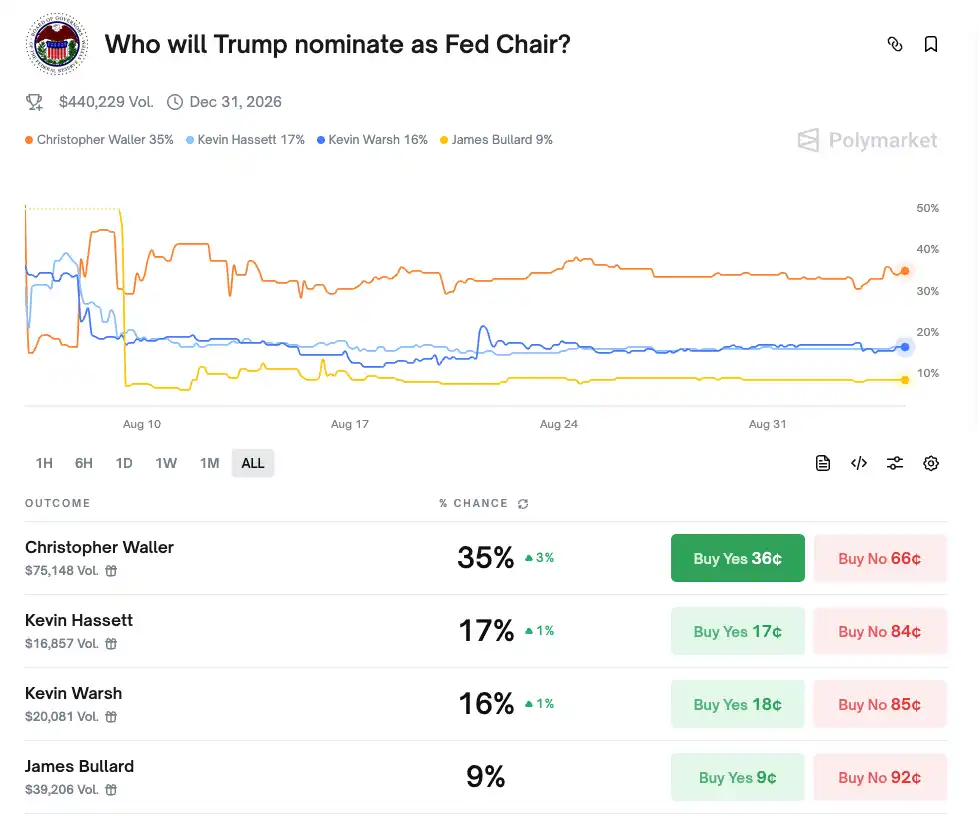
Christopher Waller is the former research director of the St. Louis Federal Reserve, possessing a strong academic background and practical policy experience. Relevant individuals and prediction markets have identified him as the hottest candidate, known for his "data-driven yet relatively flexible" style. He has recently publicly supported a swift interest rate cut, leaning towards an earlier pivot once inflationary pressures ease. His series of speeches on stablecoins are clear and coherent, advocating for innovation led by the private sector under legislative and reserve regulatory frameworks.
At the same time, he is a governor personally nominated by Trump during his first term. This "rule-savvy, dovish" current governor may be Trump's most trusted successor.
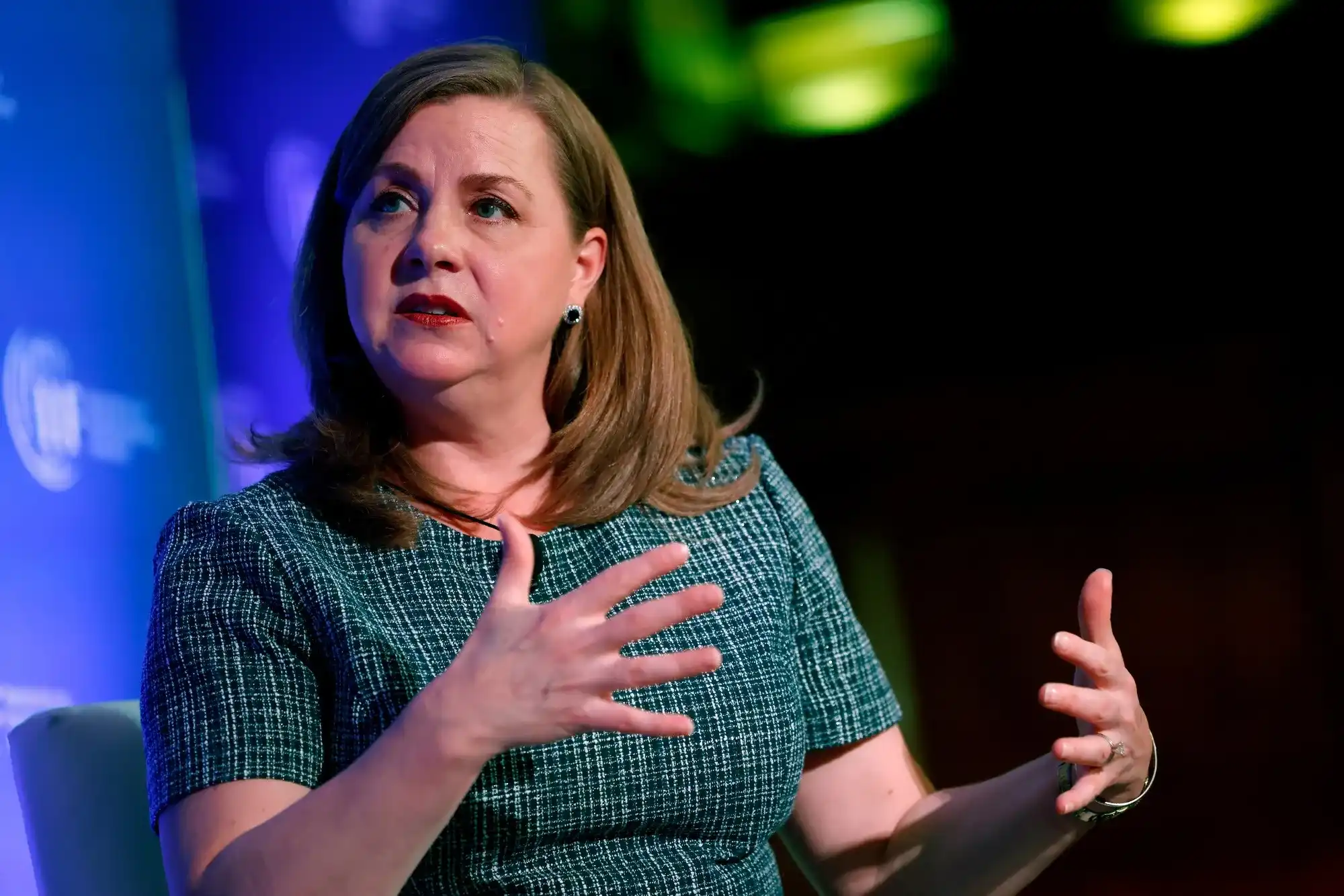
Michelle Bowman
Regulatory Vice Chair Michelle Bowman is seen as a representative of "hawkish regulators." As one of the youngest members of the Federal Reserve Board, she is the strongest female hawkish representative.
In August of this year, she proposed that Federal Reserve staff should be allowed to hold a small amount of crypto assets to enhance supervisory understanding, signaling a more "technically neutral" stance than before, while emphasizing the priority of price stability in monetary policy.
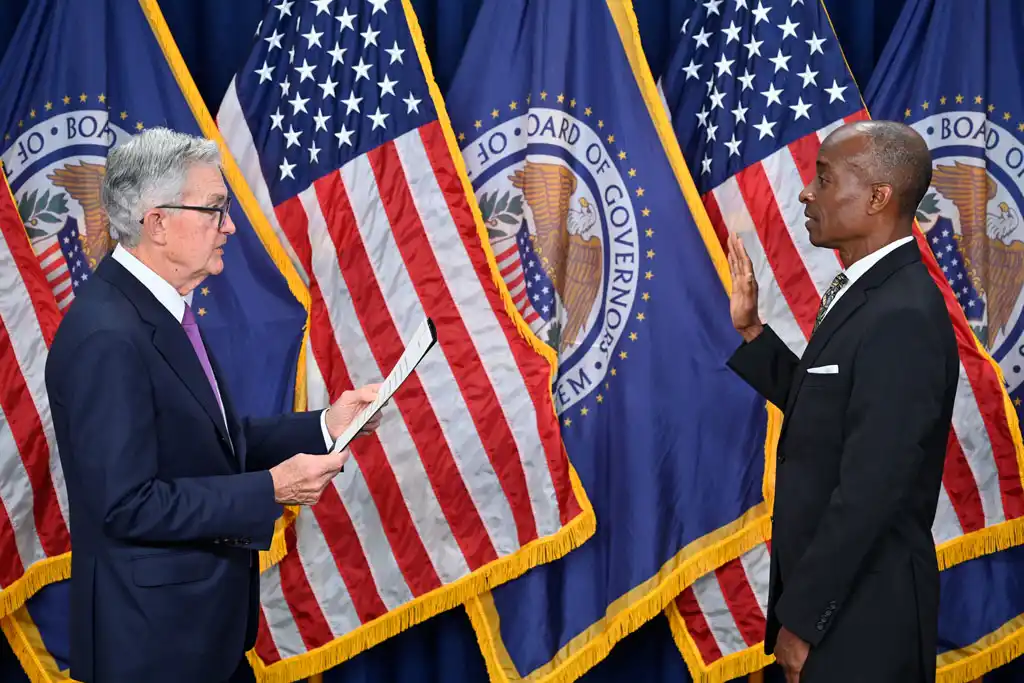
Philip Jefferson
63-year-old current Federal Reserve Vice Chair Philip Jefferson is also a popular candidate. He has a strong academic and organizational coordination background and is familiar with the daily operations of the Federal Reserve. He represents the "pragmatic faction" and is relatively cautious in balancing employment and inflation, viewed as one of the candidates ensuring continuity within the existing framework.
Notably, if he is elected, he would be the first African American Federal Reserve Chair in history.
Lorie Logan
Former Dallas Federal Reserve President Lorie Logan previously worked for a long time at the New York Federal Reserve, responsible for open market operations. With 23 years of experience at the New York Fed, he is highly skilled in market "tactics" and crisis management, having effectively handled the 2008 financial crisis and the 2020 pandemic. He is regarded as the central banker who "understands trading best."
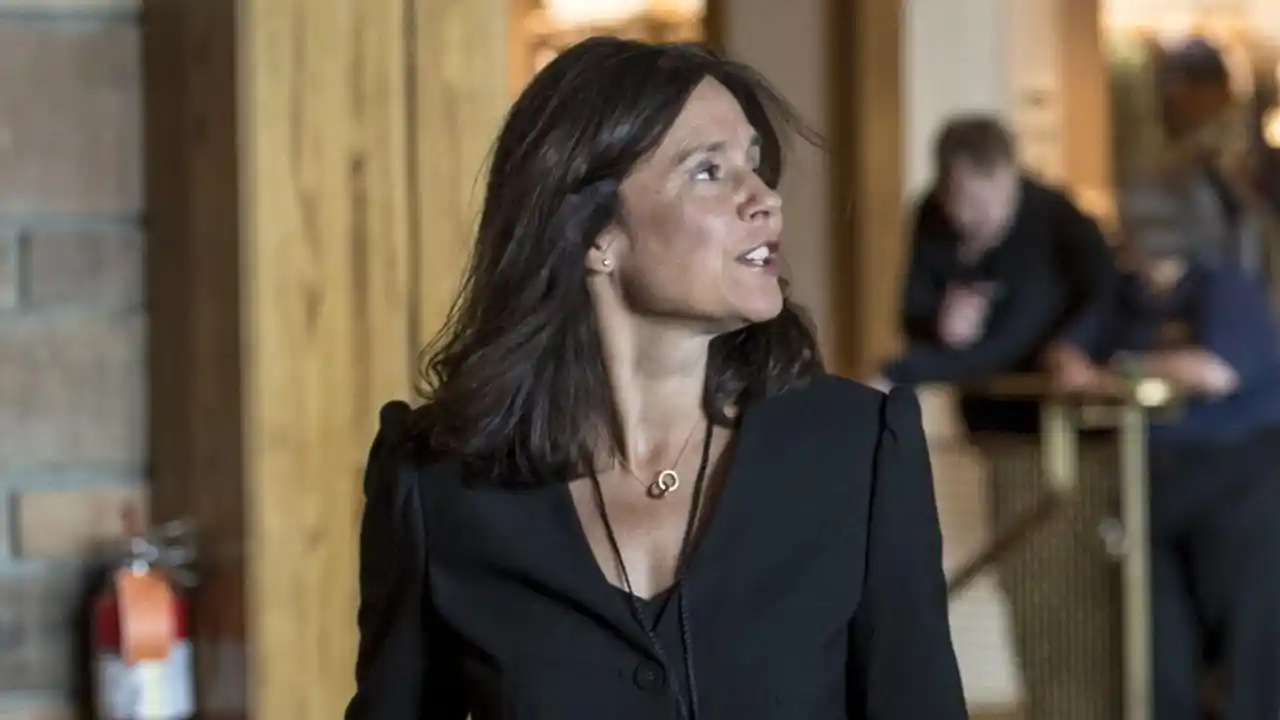
Kevin Warsh
Former Federal Reserve Governor Kevin Warsh is a candidate with both "crisis cycle experience" and "reform issues." His father-in-law is an heir to Estée Lauder, and he became the youngest governor in Federal Reserve history at the age of 35. After leaving the Fed, he researched monetary policy reform at the Hoover Institution at Stanford.
His deep connections in Washington and Wall Street are also seen as a plus, making him a popular candidate even during the last round of appointments in 2017.
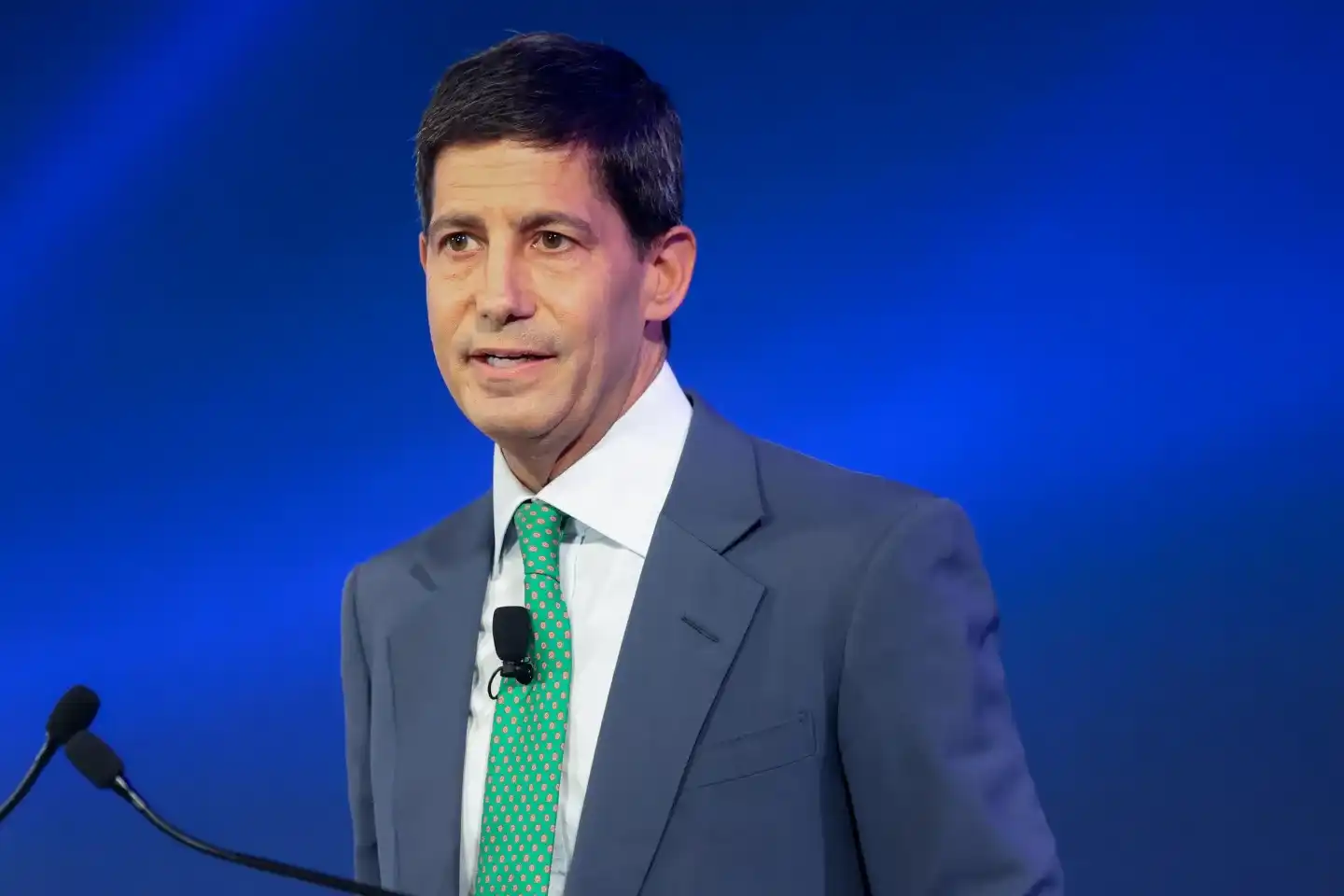
James Bullard
Former St. Louis Federal Reserve President James Bullard is known for his ability to "early judge inflation turning points" and has strong communication skills with academia and the market. He began warning the market about inflation risks as early as 2021, but due to his independent character and views, he has maintained a relatively "outlier" voting record on the FOMC.
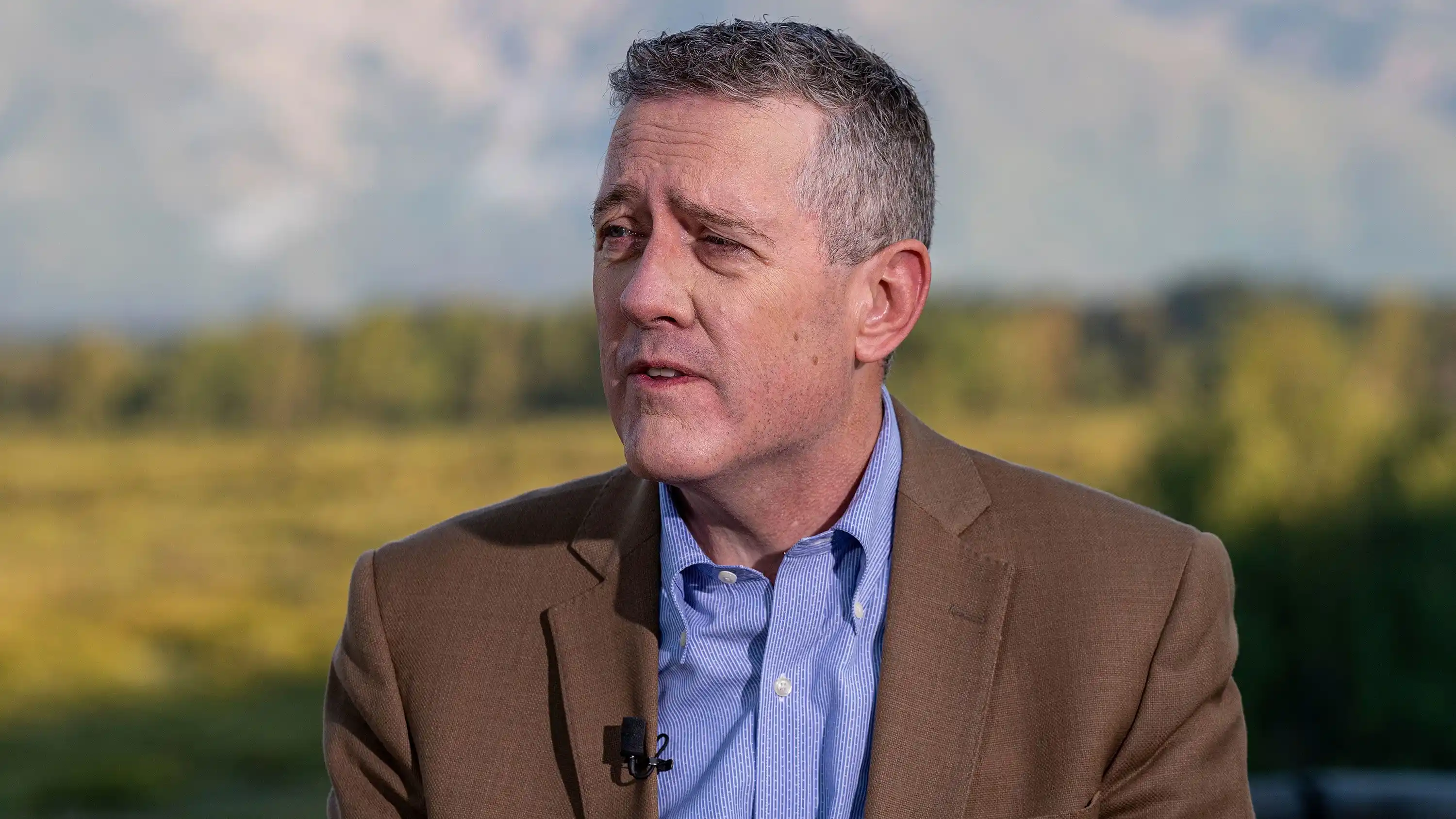
Kevin Hassett
White House National Economic Council Director Kevin Hassett has a deep connection with President Trump, analyzing economic data for Trump almost daily due to his position, and he has even been referred to by Trump as his "economics professor."
Their policy ideas align, making him a candidate with "high political trust." His weakness lies in a lack of experience within the central bank.
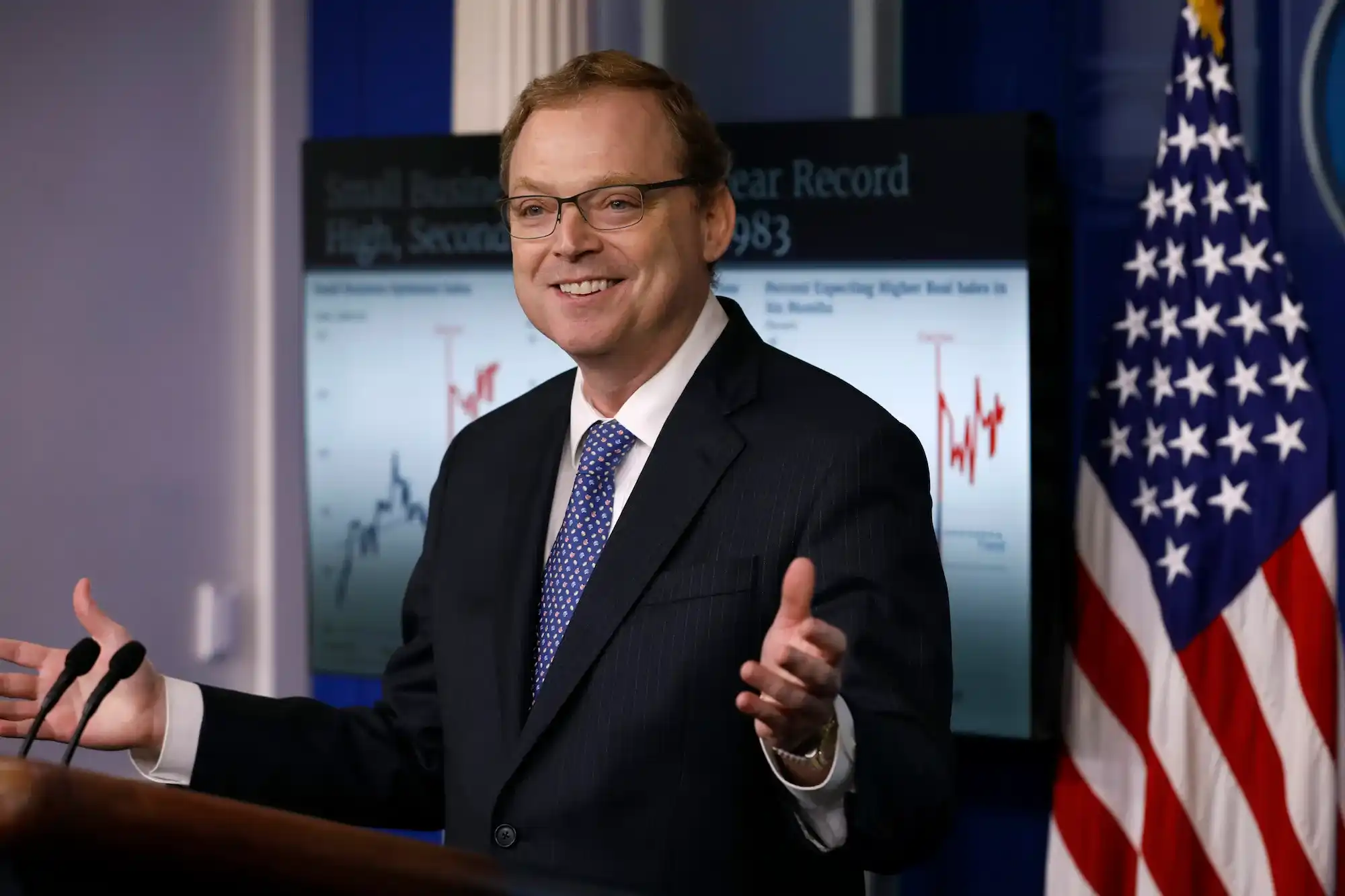
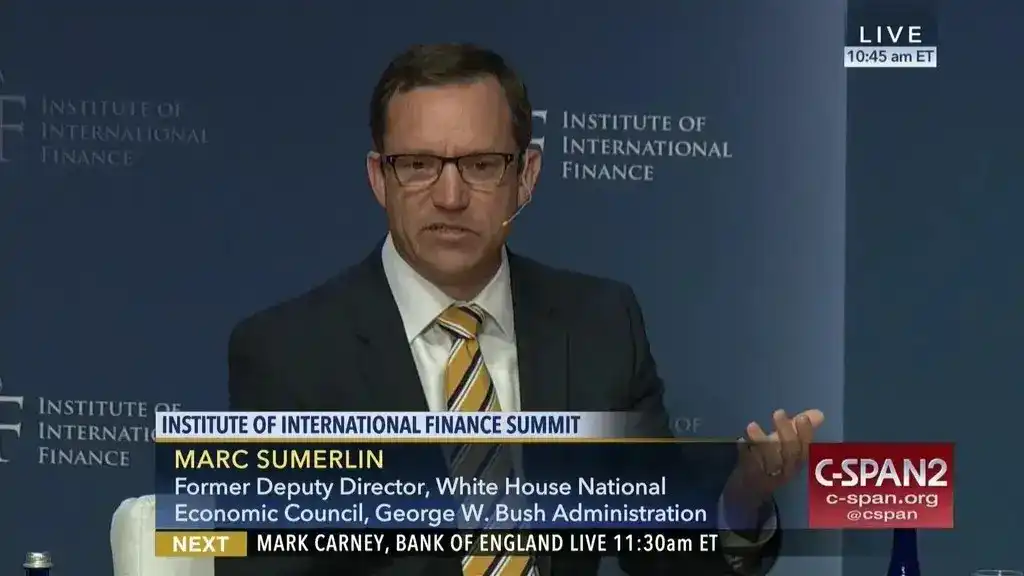
Marc Sumerlin
Marc Sumerlin previously came from the economic team during the Bush administration, serving as Deputy Director of the National Economic Council at that time. He proposed the most radical Federal Reserve reform plan, advocating for a "process overhaul" of the FOMC in terms of communication and institutional structure, representing the "reformist within the establishment."
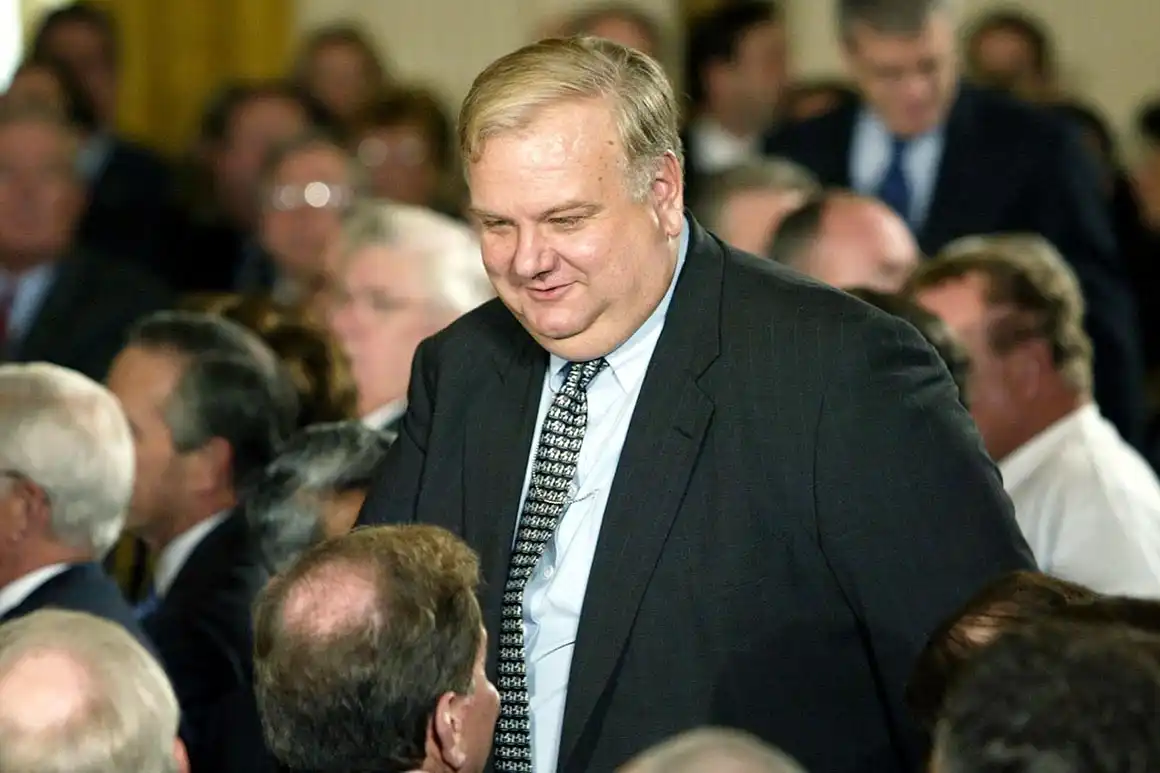
Larry Lindsey
Larry Lindsey has cross-party experience, having served as Chief Economic Advisor to President Bush and as a Federal Reserve Governor during Clinton's administration. He is highly skilled in coordinating policies among the White House, the central bank, and the market, having accurately predicted the bursting of the internet bubble. However, at 70 years old, he faces skepticism from the market regarding his understanding of modern monetary policy tools.
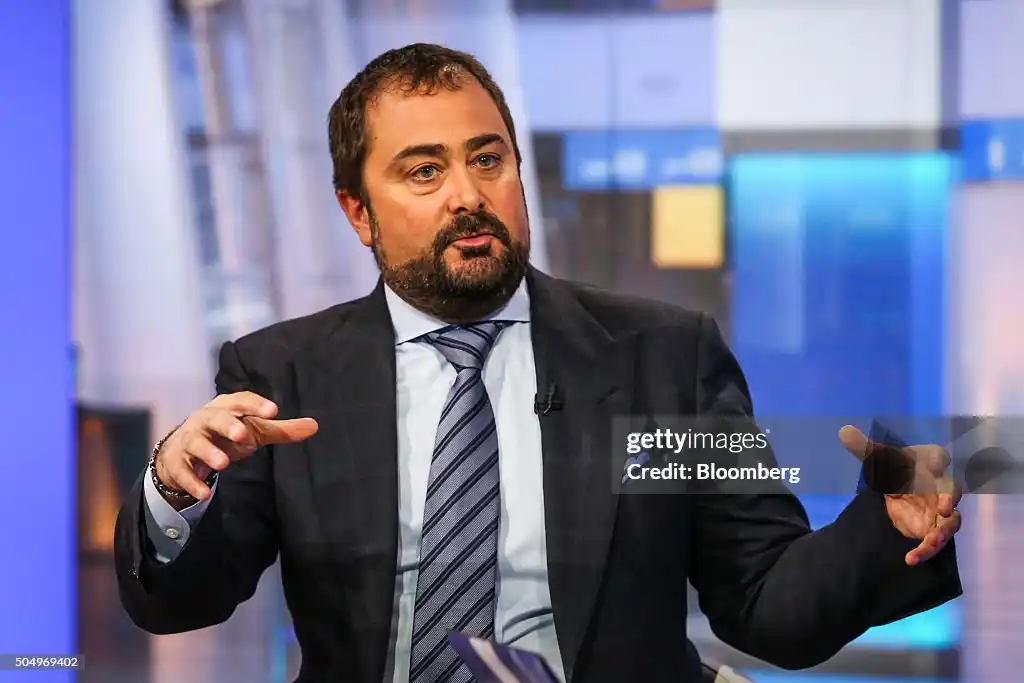
David Zervos
David Zervos, Chief Market Strategist at Jefferies, belongs to the "market frontline faction," known for his straightforward style, sharp comments, and unique strategic perspective. He has a keen market sense and maintains close communication with the Federal Reserve, having worked at the New York Fed in the 1990s.
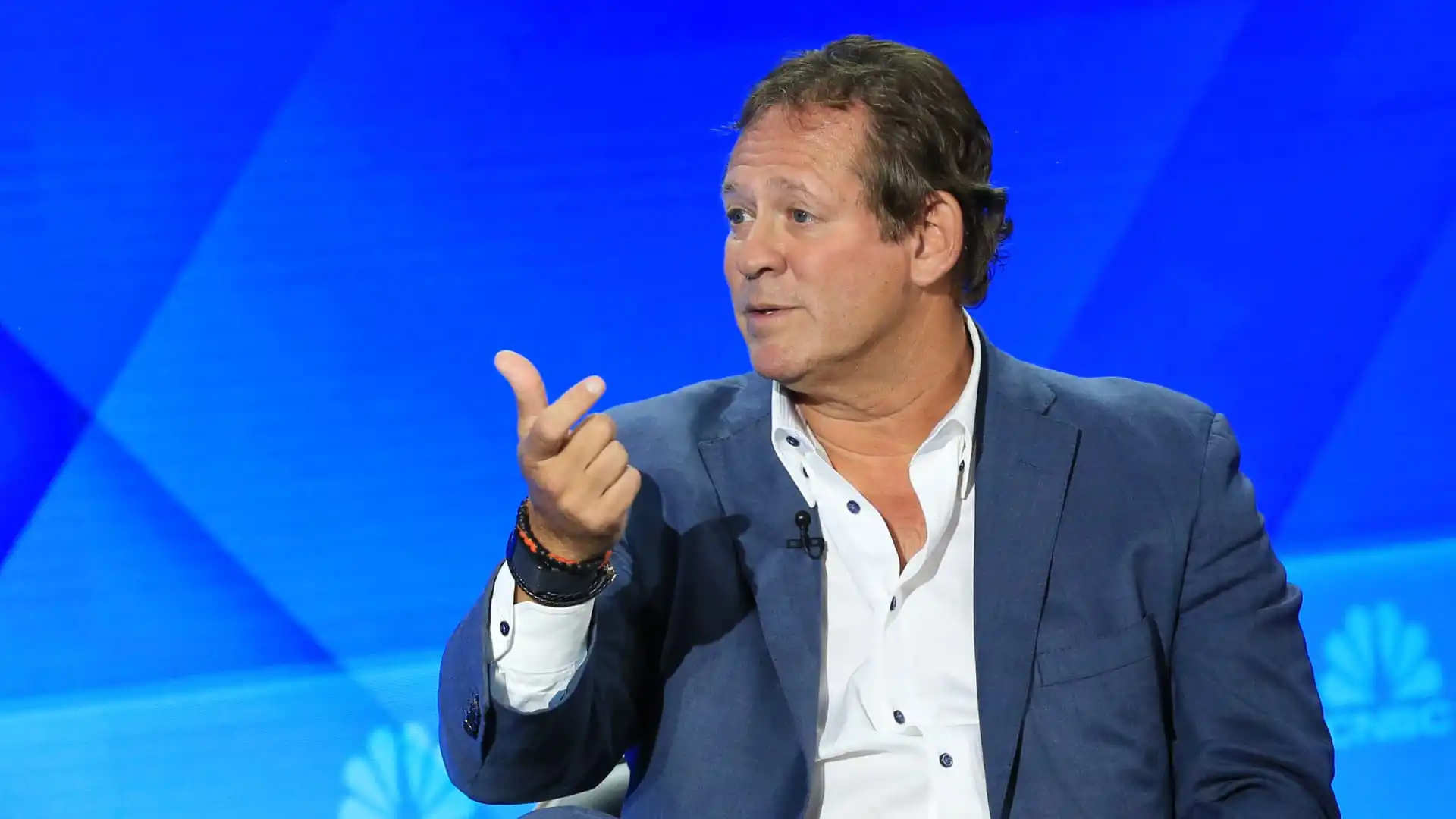
Rick Rieder
Rick Rieder, Chief Investment Officer of Global Fixed Income at BlackRock, may have the most extensive experience managing large assets among the candidates. He manages over $4 trillion in assets at BlackRock, with his managed assets having gone through multiple economic crisis cycles.
Recently, he has been leaning towards a "looser and risk-on" stance in media commentary. If he transitions to a "policy maker," the transferability of his "market experience—policy game" and potential conflicts of interest will be put to the test, raising market concerns about the "conflicts of interest" that may arise from his shift from asset management to policy-making.
Three crypto-friendly candidates?
Among them, the hottest candidate, Christopher Waller, is also the one with the most systematic stance on the use cases of "crypto assets—stablecoins—payment innovation."
Waller's examination of crypto assets has been calm to the point of being harsh from the beginning. He has compared most cryptocurrencies to "baseball cards"—lacking intrinsic value, with prices dependent on a fragile balance of emotions and confidence. For such highly volatile speculative products, he insists that "the market should bear its own risks," and taxpayers should not be left to foot the bill for investment failures.
On the topic of stablecoins, Waller has shown a different side. As early as 2021, when stablecoins were still seen as mere appendages to crypto assets, he recognized their potential. He has repeatedly emphasized that "stablecoins can improve payment efficiency, introduce international competition, and enhance speed," provided that Congress improves legislation and establishes sufficient and transparent reserve and custody rules. Subsequently, in multiple speeches in 2024 and 2025, he has urged Congress to legislate to prevent runs and disruptions in the payment system, allowing stablecoins to truly become a safe "synthetic dollar."
Waller has consistently maintained that innovation should be led by the private sector, with the government's role being to "build the highways"—infrastructure like FedNow serves as the lanes, while the driving force should be market competition. However, he also warns that if non-bank payment institutions and decentralized platforms lack regulation, they may accumulate leverage and create bubbles, ultimately jeopardizing financial stability.
Rick Rieder and David Zervos, unlike Waller, have significant intersections with the crypto industry beyond theoretical and policy support. Rick Rieder's involvement is more reflected in the funds he manages and industry activities. As the Chief Investment Officer of Global Fixed Income at BlackRock, he has not only participated in activities related to projects like Circle and Bullish but has also engaged with and supported some initiatives surrounding stablecoins and crypto credit through BlackRock's channels. Public documents indicate that he has also participated multiple times in public market or primary market events related to crypto trading platforms, stablecoin issuers, and crypto lending institutions.
David Zervos, on the other hand, has actively participated in and supported several crypto-related projects. He has investment or support relationships with eToro (trading platform), Circle Internet Group (issuer of USDC), Bullish (a crypto exchange supported by Peter Thiel, Alan Howard, and others), and Figure Technology Solutions (a crypto mortgage platform). Additionally, he supported MicroStrategy's Bitcoin purchasing plan early on, effectively promoting the path of Bitcoin corporate allocation.
Overall, Waller represents "institutional friendliness" within the Federal Reserve system, while Zervos and Rieder represent "capital friendliness" from Wall Street. If one of them becomes the chair in the future, the Federal Reserve's policy direction may provide a clearer growth path for the compliant crypto market under the dual drivers of "monetary easing + crypto institutionalization."
Summary
Looking at this candidate list that spans academia, politics, and business, it is evident that the choice of successor for the Federal Reserve Chair is not just a matter of monetary policy rhythm but is directly related to the institutional direction of global financial markets and the crypto industry. For the market, the identities and paths of the candidates express different future market directions.
At the same time, observers also remind us that Trump's high-frequency operations in nominations and personnel arrangements have led to accumulating market concerns about the independence of the Federal Reserve. If the new chair is overly viewed as an extension of "politicization," it may accelerate the release of easing and risk appetite in the short term, but it also increases the medium- to long-term volatility of dollar assets and institutional credibility.
For the crypto industry, regardless of who ultimately takes office, the real benefit does not lie in the "friendly label" but in whether the institutional path can be implemented. How stablecoin legislation, bank integration, and the boundaries of decentralized payments are defined will be key to determining whether the industry can benefit from policy dividends in the long term.
In other words, the arrival of the new chair may just be the prologue; the market needs to pay more attention to whether the system is genuinely moving towards compliance and transparency.
Disclaimer: This article represents only the personal views of the author and does not represent the position and views of this platform. This article is for information sharing only and does not constitute any investment advice to anyone. Any disputes between users and authors are unrelated to this platform. If the articles or images on the webpage involve infringement, please provide relevant proof of rights and identity documents and send an email to support@aicoin.com. The relevant staff of this platform will conduct an investigation.