
One day, if you open your bank statement and find that a full 30,000 yuan has mysteriously disappeared from your account, with all transaction records pointing to a "handsome guy living in your phone"——don't rush to call the police. This is likely not a case of international telecom fraud, but rather your precious daughter, who is in her teenage years, is busy enhancing her "paper doll husband" and buying merchandise!
Recently, a piece of news quickly topped various social media trending lists: a 13-year-old girl had unknowingly drained nearly 30,000 yuan from her family's account within a few months to "pull cards" for her virtual boyfriend in the popular otome mobile game "Love and Deep Space" and buy dolls of him!

These types of games are designed with a plethora of "fringe" elements and sensory stimulation tailored for adults. From hyper-realistic 3D character physical interactions and suggestive breathing sound effects to "private storylines" and highly revealing character skins that require players to recharge to unlock——game developers package these "18+" emotional experiences as card draws. For a 13-year-old teenager, who has yet to mature mentally and lacks physiological and psychological defenses, these visual and auditory stimuli undoubtedly have a fatal appeal. In pursuit of unlocking the next more "risqué" and "sweet" interaction moment, children can easily impulsively hit the recharge button repeatedly, becoming addicted to it.
Once the news broke, the crowd erupted in astonishment. While everyone was surprised by "how can kids today have so much money," they couldn't help but become puzzled: how is the 18+ ban so ineffective? How was the payment password set by parents cracked? Today, let’s peel back the layers of hot topics and properly analyze the loopholes and warmth behind this "gaming storm."
Is the anti-addiction system just for show? "Access control" can stop gentlemen, but not "finished accounts"
Many parents believe that as long as regulatory bodies and game companies have launched "real-name authentication," their children can be safely kept outside. But the reality is: the anti-addiction system has a lock, but there are vendors selling keys right next to it.
In this incident, the 13-year-old girl initially just borrowed her mother's ID to register an account. After her mother discovered it and froze the account, the story didn't end there——the girl turned around and, on an online trading platform, spent a few hundred yuan to buy a "finished account with real-name binding." The vendor not only did not verify the buyer's age but also thoughtfully "held her hand" to help her complete the account link change!
This logic of "only authentication, but no continuous verification" has turned the firewall meant to protect minors into a mere decoration. Game companies say "I have connected real-name authentication," while trading platforms say "I just provide account mediation," each completing their formal compliance, leaving only the parents' wallets and the children's health to "bear the brunt."

Fund "Leakage": A child's IQ often peaks when remembering passwords
Apart from the failures of the game and platform defenses, many netizens also posed a soul-searching question: 30,000 yuan is not a small amount; how did a 13-year-old child successfully transfer money from her parents' account?
The answer often leaves one amused yet incredulous. In real life, the vast majority of families have a rather "casual" financial security defense system. For instance, when parents swipe their cards at the supermarket or give pocket money to their children, the passwords have already been memorized by the children with good memories; or taking advantage of their parents sleeping or not paying attention while watching TV, they unlock face recognition by aiming the phone at their parents' faces; or even some parents, for convenience, have activated small-amount no-password payments, which accumulates into a shocking amount.
The loopholes in household finances essentially stem from parents lacking awareness of "financial risks in the digital age." In this age of pervasive mobile payments, while you may think of your phone as merely a communication tool, in the eyes of children, it serves as a "cash machine" leading to an endless world of fantasies.
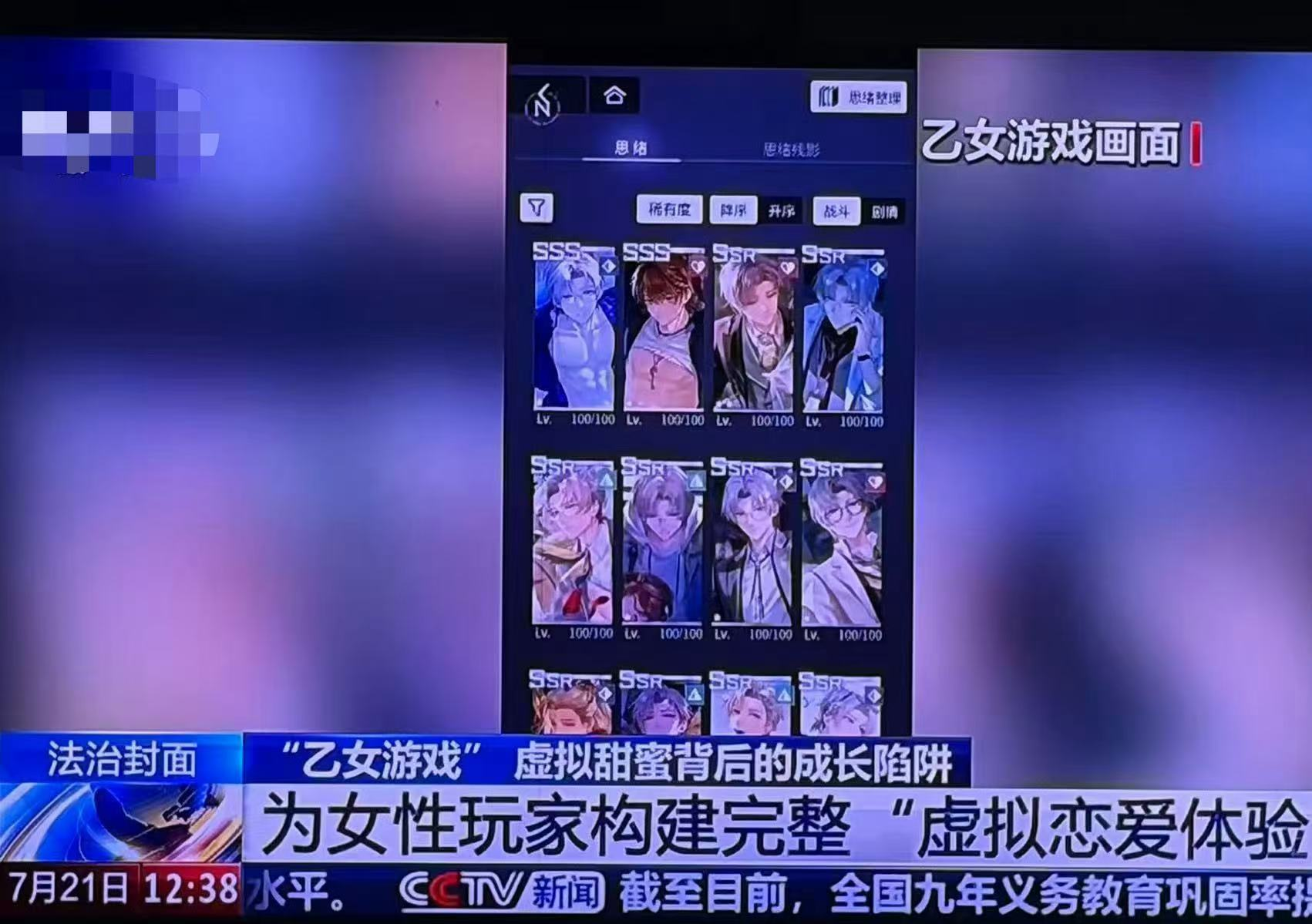
Spending money to buy love: When the "paper doll" becomes the child's softest support
If we attribute all responsibility to "game inducement" and "payment loopholes," we may not be addressing the core issue. Why would a 13-year-old willingly pour thousands of real silver into an untouchable virtual character?
Psychological experts point out that games focused on emotional interaction and romantic development have a core selling point in "unconditional response and emotional value." The characters in the game are always gentle, always patient, and always online; just tapping the screen will bring you timely care and affirmation.
But what about in real life? Many parents are busy working and come home exhausted, with their conversations with children often reducing to "Have you finished your homework?", "What was your rank in the last exam?", or "Why are you playing on your phone again, just being lazy all day?".
When the concern in reality turns into cold urges, children naturally pour their emotional needs into the virtual world. As experts worry, if children are exposed to the logic of "money can unlock emotions" for too long, they could easily form a misguided value system, even thinking love can be purchased. But the more heart-wrenching truth is——what the child buys with her in-game spending is not some ethereal cards; she is buying the rare "companionship" and "being understood" in reality.

Global Perspective: This is not just a worry for parents in certain places
If you think this "online gaming gold rush" is a phenomenon unique to certain regions, you underestimate the shock the global cyber era has brought to parents. According to various research institutions and market survey reports worldwide, teenagers' "invisible consumption" in games has long been a global issue.
In the Asian market, relevant statistics show that despite the introduction of new restrictions for minors, over 15% of families have experienced minors recharging without permission, and covert recharge methods keep upgrading, while account trading black markets have endless varieties.
In Europe and the US, surveys on "blind boxes/card draw" mechanisms indicate that over 60% of teenagers have made in-game purchases in games with such mechanisms, which easily provoke compulsive spending behavior and addiction in adolescents, prompting legislative reviews in multiple countries.
Data from the UK Gambling Commission indicates that about 11% of adolescents aged 11-16 have reported using their parents' accounts to purchase gaming items without permission, exposing the general deficiency of password security and parental monitoring in the digital age.
Behind these data is a common signal: in today's digital entertainment industry, teenagers lacking self-control can easily become the "harvested targets" under commercial algorithms.
A "Breakthrough Guide" for Parents: Preventing Loopholes Starts with a Loving Hug
To close the "blood-sucking loophole" that this 30,000 yuan has caused, relying solely on scolding and confiscating phones will not fundamentally solve the problem. What we need is a combination of "technical defenses" and "warm companionship."
On one hand, parents should upgrade their household "financial defenses." Regularly change payment passwords, disable all no-password payment options, and set up real-time SMS or app notifications for transfers and expenditures to avoid discovering funds theft months later.
On the other hand, it is even more important to use real companionship to shatter virtual illusions. Dedicate 20 minutes each day to put down your phone and have a long talk with your child, discussing not studies but emotions. Alternatively, take your child out of the room to exercise, travel, or experience the winds and sunlight of the real world.
The most effective anti-addiction system will always be the warm hands and sincere care of parents. When children receive enough love and security in real life, they will naturally not need to "buy love" in the virtual world.
💡 Extended Reading: Asset Security Defenses in the Digital Age
In today's highly digitalized era, whether to prevent incorrect deductions of household funds or to conduct high-precision asset management, a rigorous risk control logic is crucial. As a top global digital asset service platform, OKX has set industry benchmarks in financial security and minor protection.
Firstly, OKX employs high-level KYC real-identity face comparison and live detection mechanisms to completely eliminate the black market for impersonating others' identities or accounts; secondly, through multiple identity verifications (2FA), multi-signature and Passkey hardware key technology, it ensures that every fund transfer must be authorized by the account holder; at the same time, the platform supports highly customizable sub-accounts and detailed control of permissions, allowing asset transfer and withdrawal limits. This strengthens the high walls of financial security from the source, safeguarding users' digital assets.

🎁 Exclusive Registration Benefits for AiCoin!
Register for OKX through the AiCoin exclusive link and get a permanent 20% cashback
👉 Register for OKX now:
https://jump.do/zh-Hans/xlink?checkProxy=true&proxyId=2
📢 Join the AiCoin community for more updates on new coins and trading opportunities
Official Telegram community:
AiCoin Chinese Twitter:
OKX Benefits Group:
https://aicoin.com/link/chat?cid=l61eM4owQ
Disclaimer: This article represents only the personal views of the author and does not represent the position and views of this platform. This article is for information sharing only and does not constitute any investment advice to anyone. Any disputes between users and authors are unrelated to this platform. If the articles or images on the webpage involve infringement, please provide relevant proof of rights and identity documents and send an email to support@aicoin.com. The relevant staff of this platform will conduct an investigation.