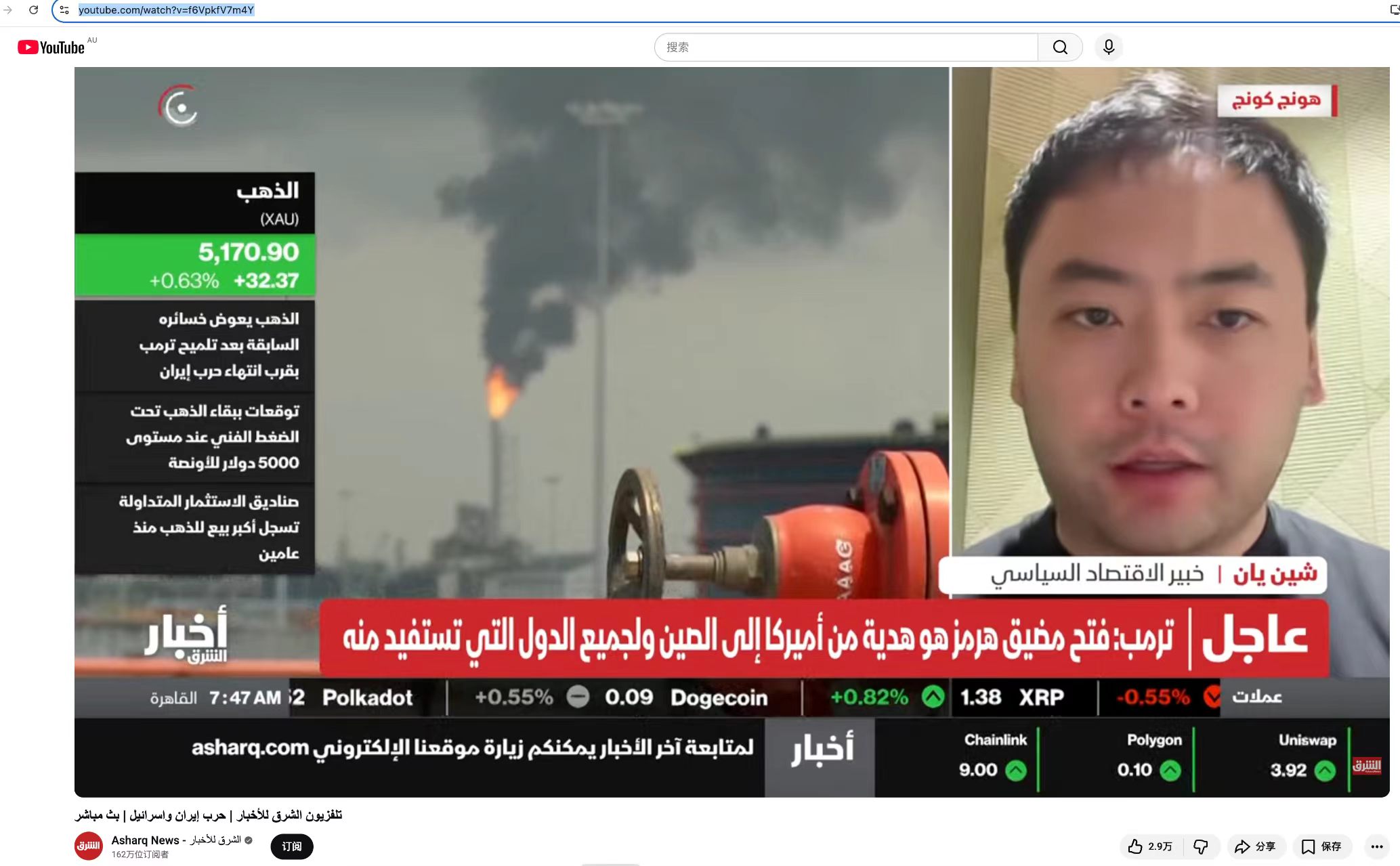
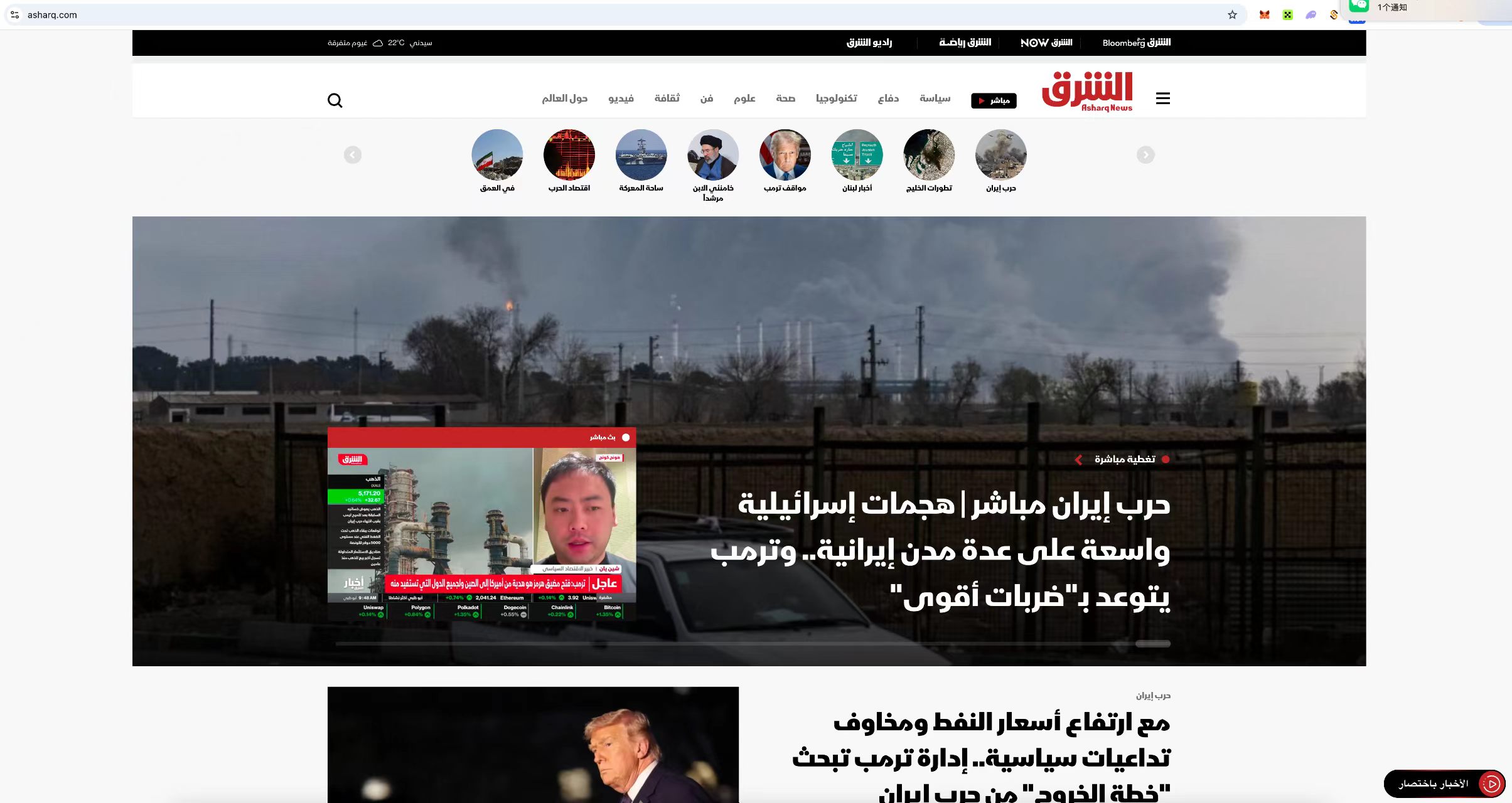
$SIGN founder Xin Yan accepted an interview with Saudi Arabia's Asharq News television station
--
The SIGN project aims to shape the underlying payment protocol, and currently $SIGN has risen by 200%, ranking first in spot trading volume on the Upbit exchange in South Korea. The United Arab Emirates has signed a strategic partnership between the Abu Dhabi Regional Blockchain Center and Sign. live broadcast: https://asharq.com/